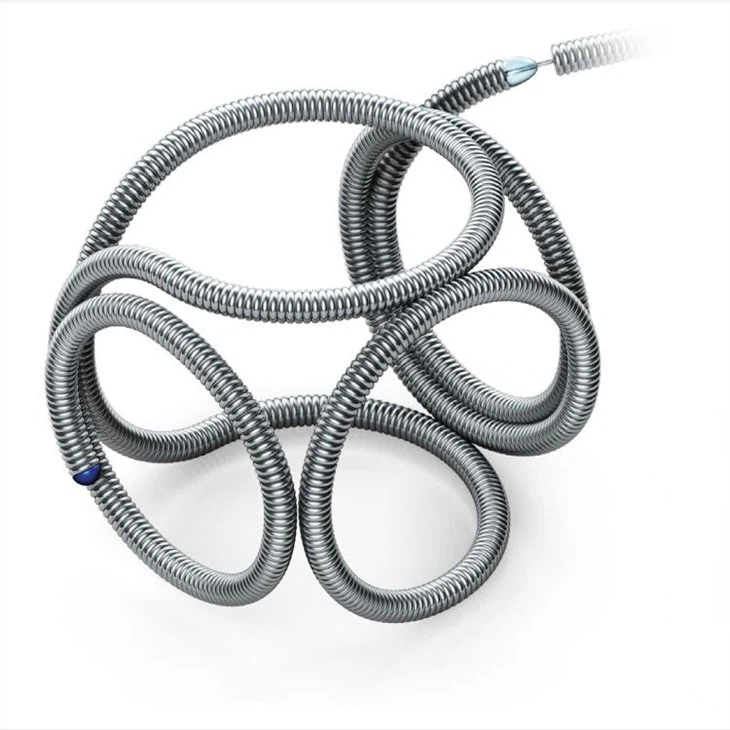
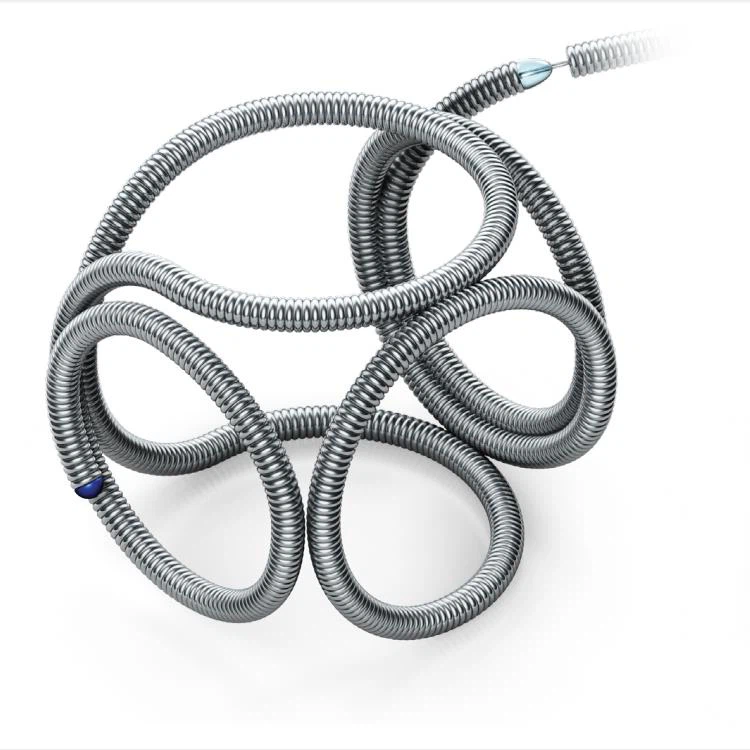
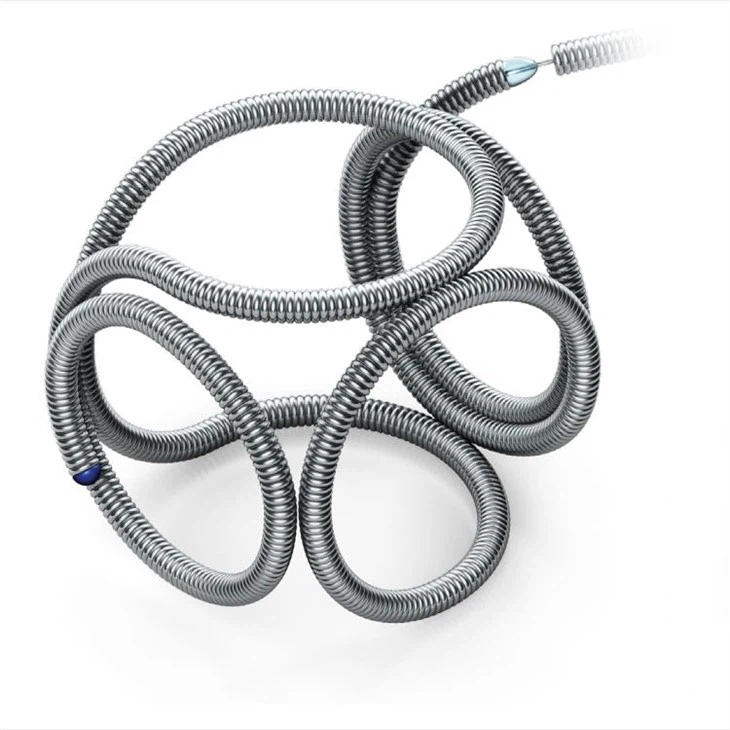
Renova Endovascular Coiling for Brain Aneurysms is a minimally invasive technique used to treat brain aneurysms. The procedure involves inserting a catheter into an artery in the groin and threading it up to the aneurysm in the brain. Once the catheter is in the correct position, small coils are placed into the aneurysm to fill it up and prevent future bleeding. Endovascular coiling has become a popular alternative to traditional open surgery for treating brain aneurysms due to its minimally invasive nature, faster recovery time, and lower risk of complications.
RenovaTM Endovascular Coiling for Brain Aneurysm
One of the main advantages of RenovaTM endovascular coiling for brain aneurysm is its reliability. Several clinical studies have shown that coiling is a safe and effective treatment for brain aneurysms, with a success rate of around 80-90%. The procedure has a low rate of complications, including a less than 5% risk of stroke or other neurological deficits. Patients who undergo endovascular coiling typically experience a shorter hospital stay and quicker recovery time compared to those who have open surgery. Another benefit of endovascular coiling is its ability to achieve a complete "radiological cure" of the aneurysm, meaning that blood no longer flows into the aneurysm and it is entirely sealed off. This is achieved through the use of coils that are packed tightly into the aneurysm to create a "mesh" that prevents blood from flowing in. Over time, the body will form a barrier around the coil mesh, further sealing off the aneurysm.
Features &Advantages
1. From frame to finish, various softness levels and sizes cover a variety of cases.
2. Open loop design minimizes compartmentalization and distributes evenly.
3. The first 1.5 loops 25% smaller than the stated secondary coil diameter reduces risk of coil herniation.
4. Shorter detachment zone greatly minimizes kick-back microcatheter.
5. Hybrid delivery shaft provides flexibility and pushability.
6. Frame securely, fill uniformly and finish by seeking voids within aneurysm.
7. The loop diameter can reach as narrow as 1 mm. A wide range of small size coils offer more options for small aneurysms as finishing coils.