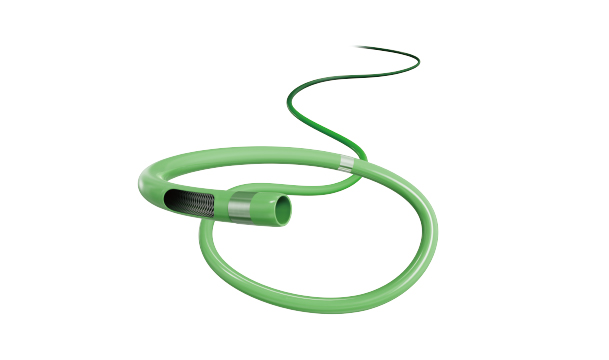
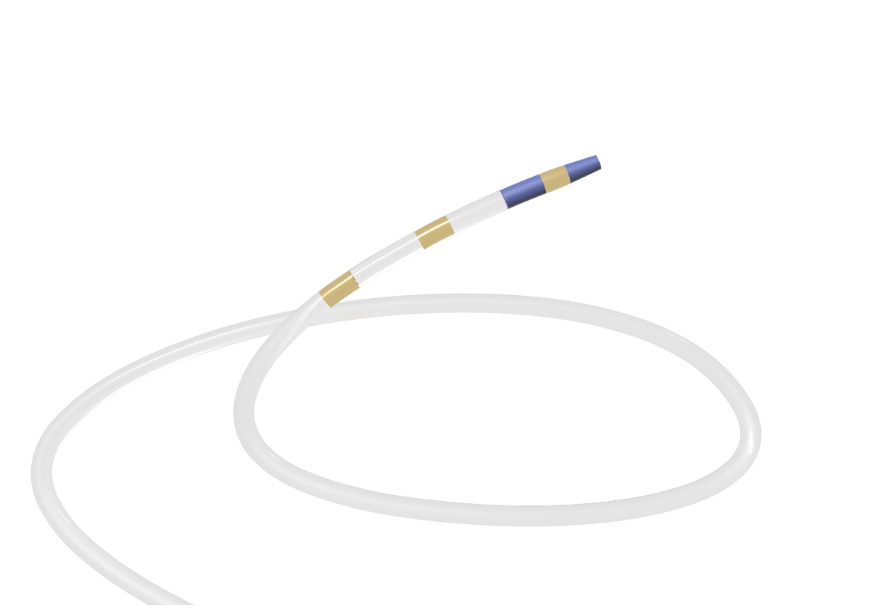
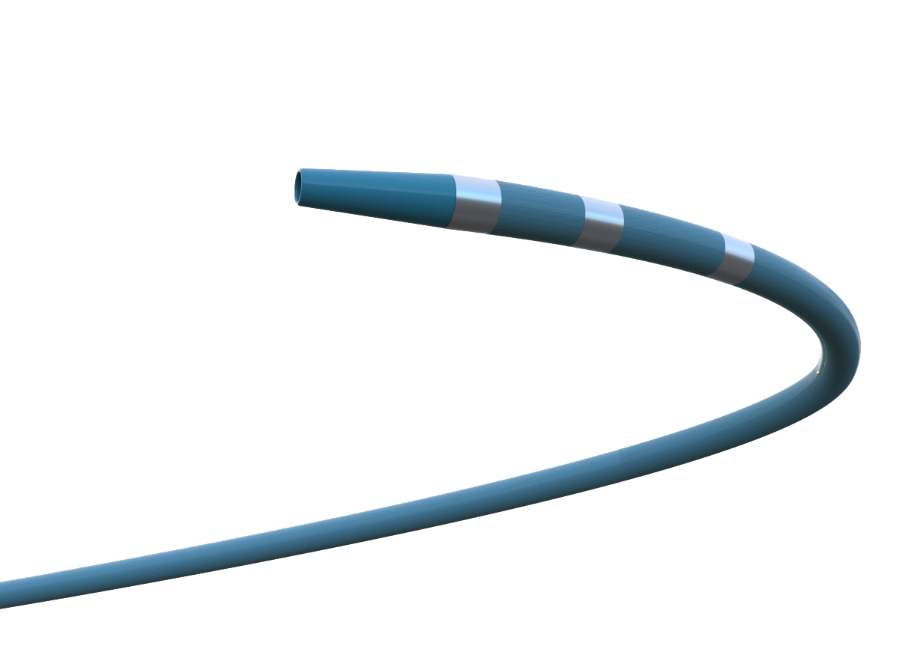
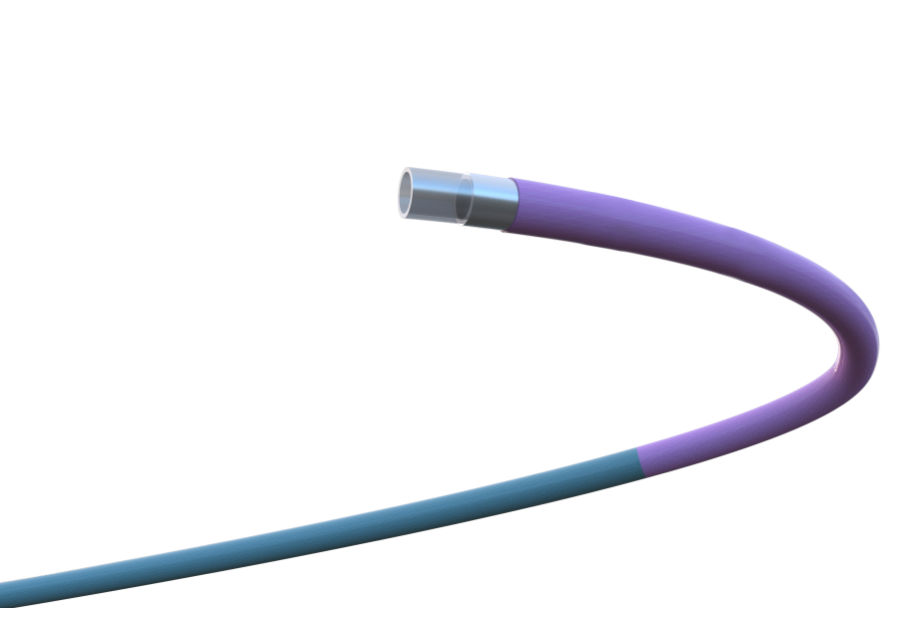
The Glutton Aspiration Thrombectomy Catheter is designed to remove the thrombus blocked in the large intracranial artery within 8 hours after the onset of ischemic stroke to restore blood flow, including internal carotid artery, M1 and M2 segments of middle cerebral artery, A1 and A2 segments of anterior cerebral artery.
GluttonTM aspiration thrombectomy catheter is an innovative medical tool that has revolutionized the treatment of acute ischemic stroke. It is a thin catheter that is inserted into the brain to remove blood clots that cause strokes. It is used to treat acute ischemic stroke caused by the formation of a clot in one of the arteries supplying blood to the brain. It is typically used in patients who have not responded to or cannot be treated with intravenous thrombolysis, the standard treatment for ischemic stroke. It is a minimally invasive tool that is inserted through a small incision in the groin area and guided to the site of the clot in the brain using advanced imaging techniques. The catheter is designed to suck the clot into its tube-like structure and retrieve it from the blood vessel.
Features&Advantages
1. Coil and braided structure combines flexibility and maneuverability. This allows the catheter to be reliably navigated and steered through smaller blood vessels in the brain.
2. 0.072 large inner lumen not only allows for easy aspiration of blood clots and other debris, but also provides excellent support for the passage of other interventional devices.
3. Multi-segmented hardness gradient design at its distal end ensures that the catheter can navigate through tortuous and complex vasculature without trauma to the blood vessels.
4. Standard and reinforced types, with diameters ranging from 5F to 6F. This allows the catheter to meet the specific needs of each patient and procedure.
5. The catheter has a super-smooth and hydrophilic coating on its exterior surface, enabling it to be easily advanced to higher positions in the vasculature. This coating reduces friction and prevents sticking to the walls of blood vessels.
6. The proximal end of the aspiration catheter is made from reinforced polymer composite materials that enhance its pushability. This allows for greater control when advancing and withdrawing the catheter during procedures.