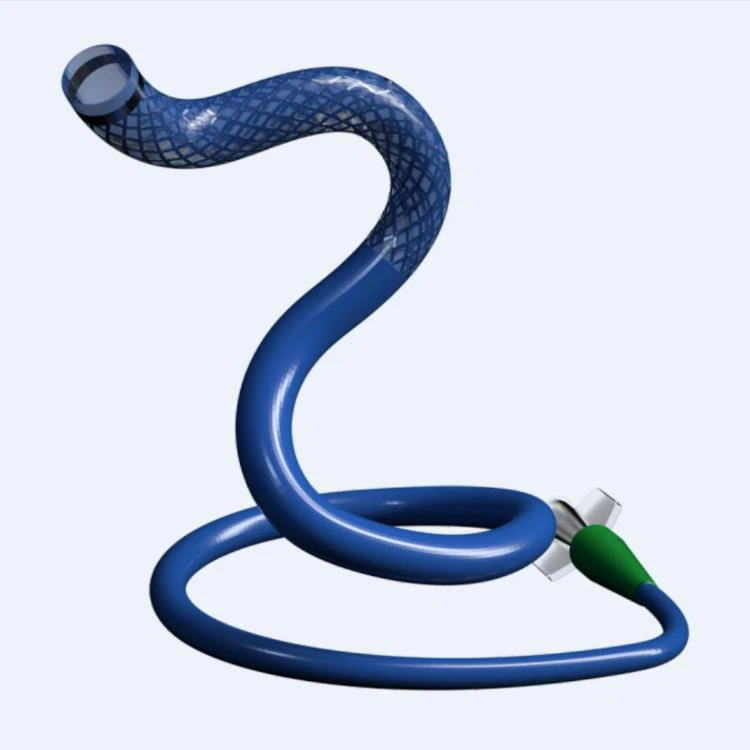
Hemorrhagic Stroke Coiling is a minimally invasive procedure used to treat hemorrhagic stroke. During the procedure, the doctor inserts a catheter through an artery in the groin and threads it up through the blood vessels to the site of the bleeding in the brain. The doctor then uses a thin wire to coil the blood vessels around the bleeding area, causing them to constrict and stop the bleeding. This can help reduce the damage to the brain caused by the bleeding and improve the patient's chances of recovery. Coiling may not be suitable for all patients with hemorrhagic stroke, and the decision to use this procedure depends on a variety of factors, including the location and severity of the bleeding.
RenovaTM hemorrhagic stroke coiling is one approach to treating a cerebral aneurysm that has ruptured and caused a SAH. Coiling involves inserting a small wire coil through a catheter and into the aneurysm. The coil is then released, causing it to create a clot within the aneurysm. This clot helps to stop the bleeding and prevents the aneurysm from rupturing further. The aim of the procedure is to prevent the rebleeding of the aneurysm and reduce the risk of subsequent stroke or death. In addition to SAH caused by aneurysms, coiling may also be considered as a treatment option for other types of SAH, such as those caused by arteriovenous malformations (AVMs) or fistulas. However, the suitability of coiling as a treatment option will depend on the size, location, and type of the SAH, as well as the overall health status of the patient.
Product Features
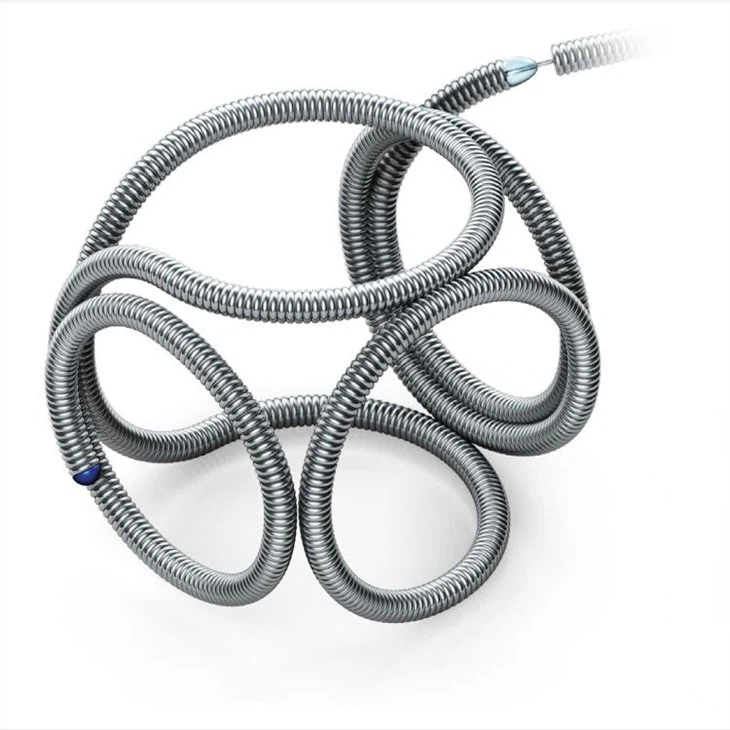
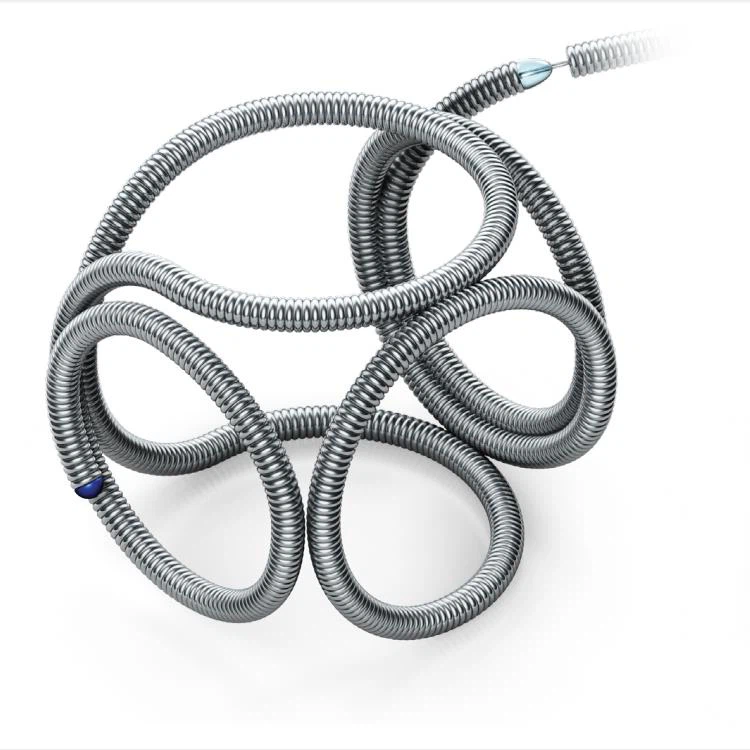
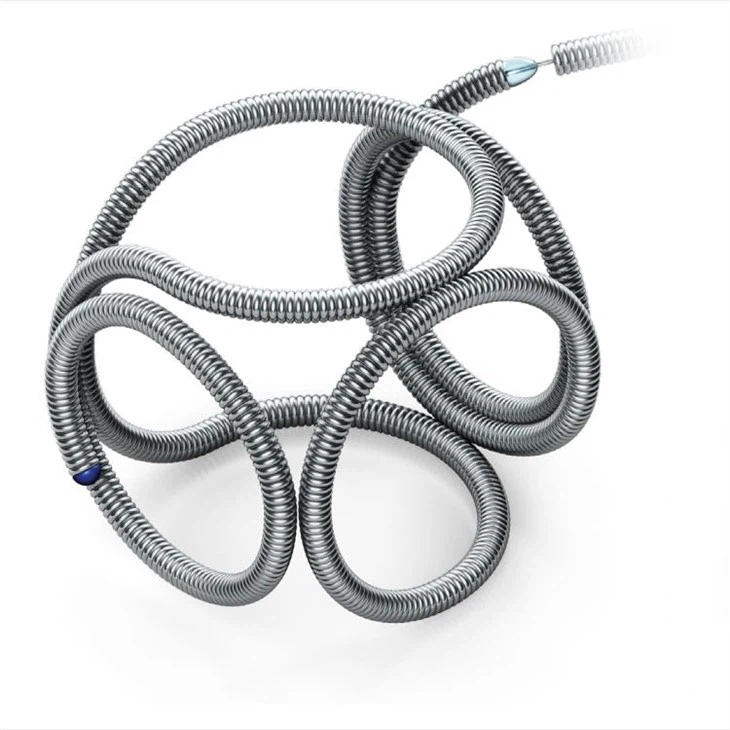
Our RenovaTM dhemorrhagic stroke 3D coiling has many advantages as below:
1. The traditional approach to coiling involves using a series of straight or helical coils to fill the affected blood vessel. However, this approach can be problematic in cases where the blood vessel has an irregular shape or the aneurysm is located in a complex region of the brain. In these situations, it may be difficult to achieve adequate filling of the aneurysm using traditional coils.
2. 3D coils are designed to overcome these challenges. These coils are made from a flexible material that can adapt to the shape of the aneurysm. The initial coil diameter is slightly smaller than the diameter of the blood vessel, which allows it to be inserted into the aneurysm without passing through the center. Once in place, the coil expands to fill the aneurysm, creating a three-dimensional basket that conforms to the contours of the surrounding tissue.
3. The 3D coiling is also designed to be soft and flexible, which reduces the risk of rupture and minimizes the risk of damage to surrounding tissue. This is particularly important in cases where the aneurysm is located in a critical area of the brain, where damage to surrounding tissue can have serious consequences.