Dredger thrombectomy stent is a medical device used to remove blood clots from the brain. The device is used to treat a type of stroke known as an ischemic stroke, which occurs when a blood clot blocks an artery or blood vessel in the brain. The use of the intracranial thrombectomy stent has been proven to be highly effective in the management of ischemic strokes.
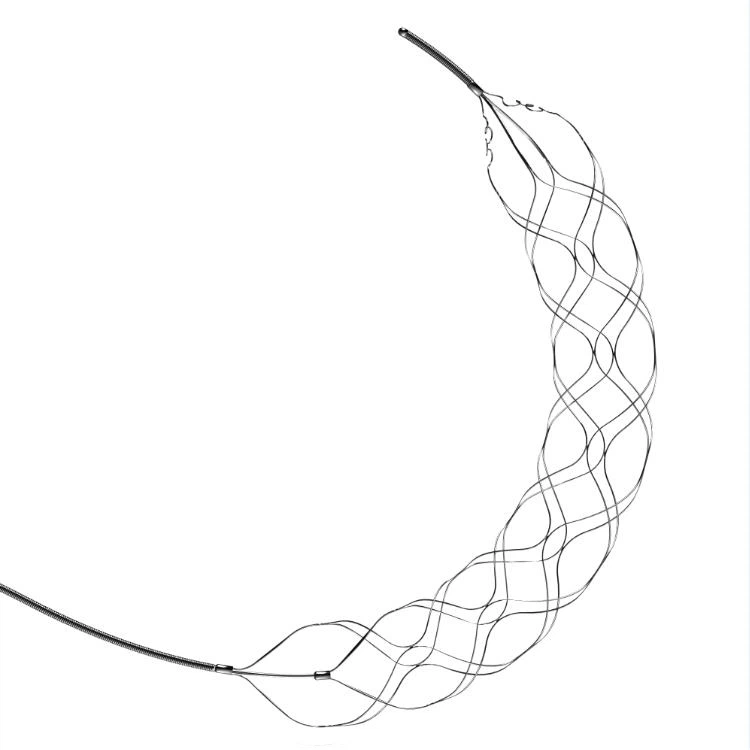
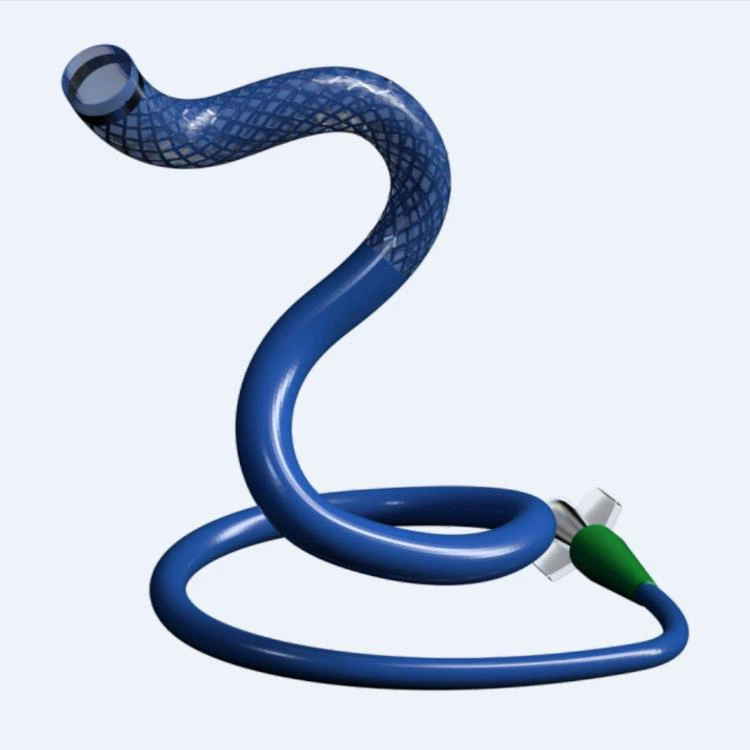
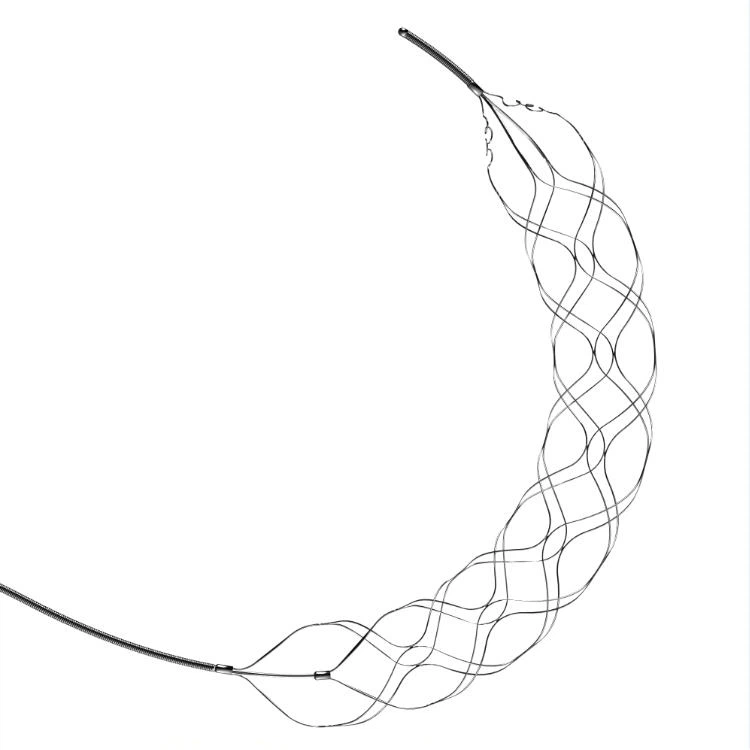
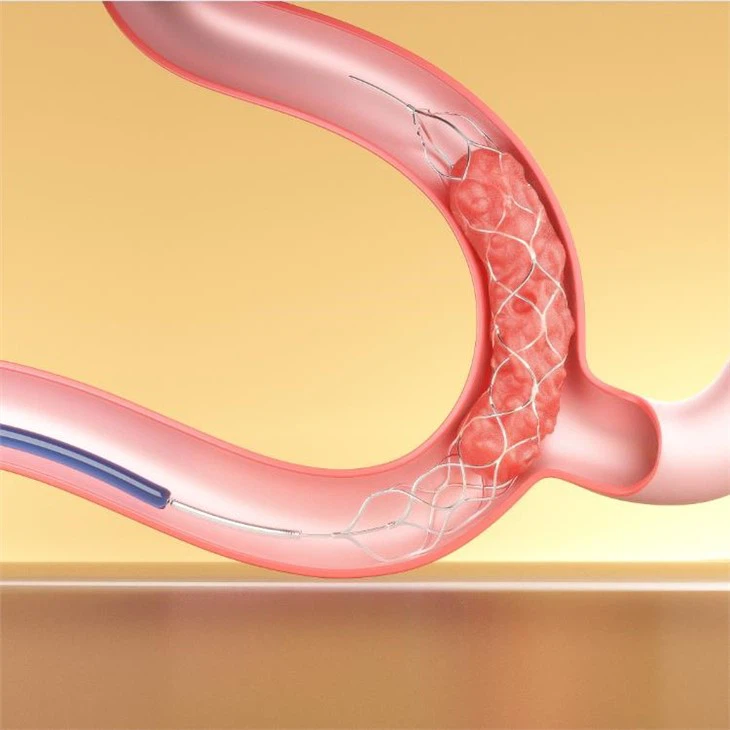
DredgerTM thrombectomy stent, commonly known as a clot retriever, is a medical device used to remove blood clots from the brain. The device is used to treat a type of stroke known as an ischemic stroke, which occurs when a blood clot blocks an artery or blood vessel in the brain. The use of the intracranial thrombectomy stent has been proven to be highly effective in the management of ischemic strokes. In fact, the device has been shown to significantly reduce the occurrence of long-term disability and death in stroke patients. This is because the device enables the rapid removal of blood clots, restoring blood flow to the affected area of the brain, and reducing the risk of brain damage. One of the key features of the thrombectomy stent is its ability to quickly and precisely remove clots from the brain. This is due to the device's design, which features a mesh-like structure that can be placed directly into the affected blood vessel. Once in place, the device is advanced through the clot, trapping and removing it from the blood vessel. The device's unique design also allows for the restoration of blood flow to the affected area of the brain.
Features &Advantages
1. Non-invasive distal tip
The thrombectomy stent features a non-invasive distal tip. This design minimizes the risk of damage to the vessel wall during the stent placement. The tip is flexible and can be easily guided through a thrombus, allowing the stent to be precisely positioned in the affected area.
2. Minimum radial supporting force
Dredger is designed to have the minimum radial supporting force required to remove the thrombus. This means that it has a low profile, and it will not put undue pressure on the walls of the blood vessel. This feature is important as it minimizes the risk of damage to the tissues surrounding the vessel.
4. Front-end protective umbrella-shaped mesh design
Front-end protective umbrella-shaped mesh design protects the vessel walls, which are particularly vulnerable during the removal process, from being damaged by the thrombus. This feature enhances the safety and effectiveness of the procedure.
5. Double-layered stent with a movable mesh
It is designed with two layers of self-expanding nitinol stent. The inner stent is covered with a movable mesh that can be expanded and contracted to fit the width of the blood vessel. This unique feature allows the stent to adapt to the shape of the artery and provide optimal support to force the thrombus out. The movable mesh realizes capturing, clamping and removal of thrombus.
Prior integration:uniform cell groups
Post integration:cell varied with the motion
Helical cell groups:exclusive varied cell design, clot capture mainly dueto clamping of cell change
6. Full-length visible imaging
It has full-length visible imaging. Using imaging technologies, medical professionals can monitor the position and movement of the stent to ensure that it is correctly placed and that the thrombus is effectively removed. This feature increases the precision and success of the procedure.