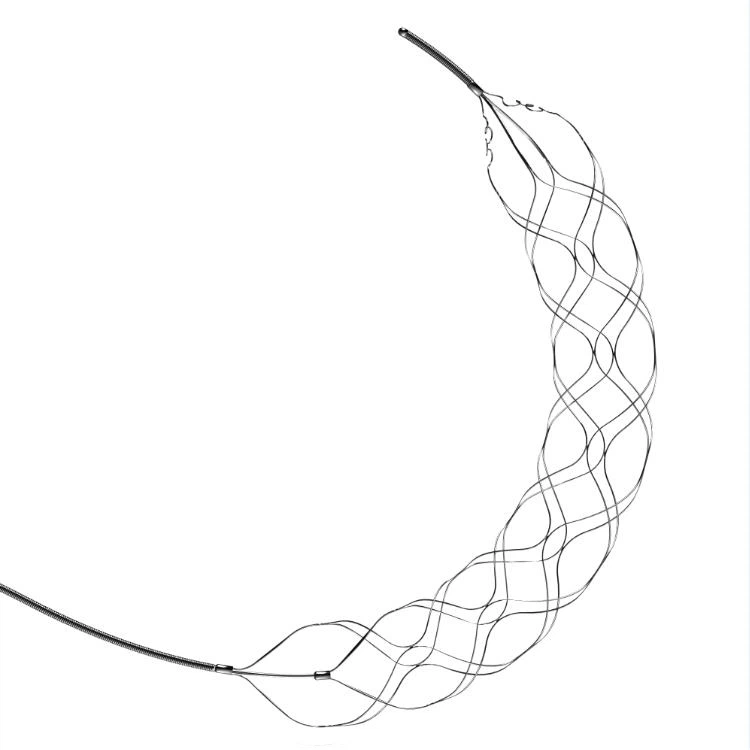
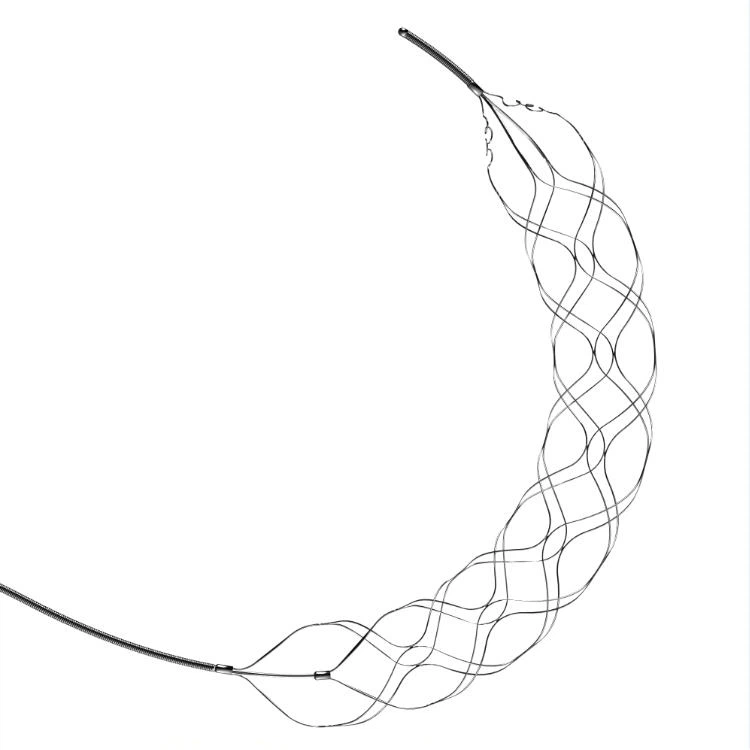
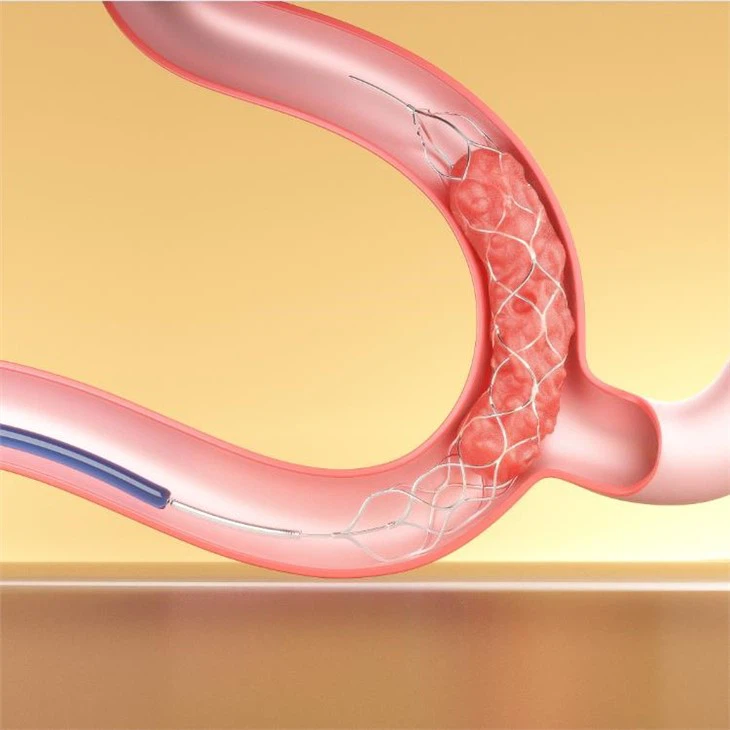
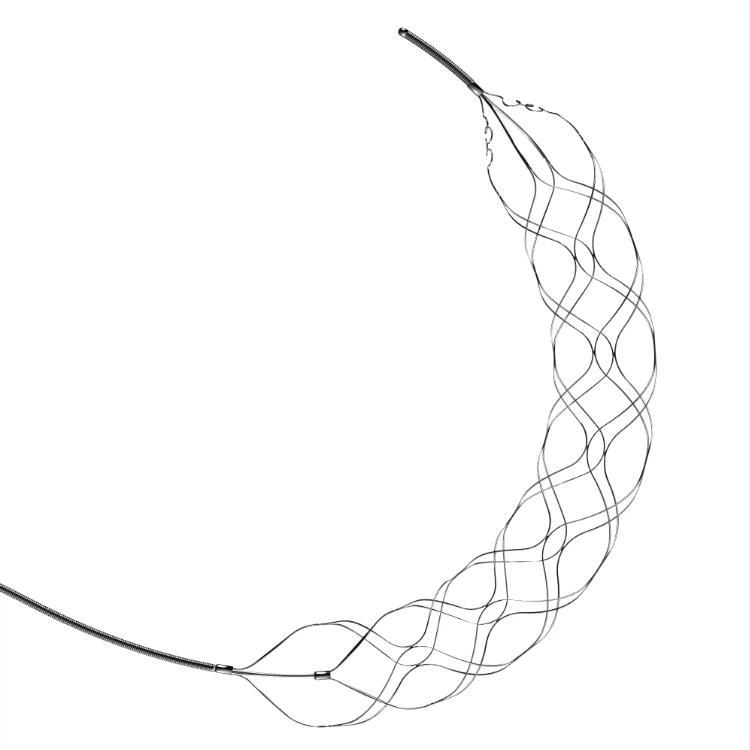
Dredger clot stent retriever is a medical device utilized for the treatment of acute ischemic stroke which is a condition triggered by the obstruction of a blood vessel in the brain. One of the critical advantages of the clot stent retriever is its high success rate in treating acute ischemic stroke patients. This device is placed inside the occluded cerebral artery and expands, thus enabling blood flow to be reinstated. Additionally, it has been designed to remove the clot. The success rate of using the stent retriever device has been documented and ranges from 52% to 81% depending on the study.
DredgerTM clot stent retriever is a medical device utilized for the treatment of acute ischemic stroke which is a condition triggered by the obstruction of a blood vessel in the brain. One of the critical advantages of the clot stent retriever is its high success rate in treating acute ischemic stroke patients. This device is placed inside the occluded cerebral artery and expands, thus enabling blood flow to be reinstated. Additionally, it has been designed to remove the clot. The success rate of using the stent retriever device has been documented and ranges from 52% to 81% depending on the study. This success rate is higher compared to other devices and methods utilized in the past. Another major benefit of the stent retrieval is that it allows medical professionals to exercise a minimally invasive procedure. Previously, the standard treatment for acute ischemic stroke patients was to open the skull and intervene. It is a highly invasive and risky procedure. In addition to these benefits, the Dredger also minimizes the chance of future strokes. If the clot is left untreated, it increases the chances of having another stroke in the future, which can have significant implications on the patient's wellbeing. However, the Dredger clot stent retriever removes clots completely to decrese the chances of having another stroke.
Features&Advantages
1. The atraumatic soft tip reduces the likelihood of injury or damage to delicate vascular structures. This makes the device safer to use for patients with fragile blood vessels, where the risk of intimal injury is higher. In addition, the atraumatic soft tip also allows for smoother and more seamless navigation of the clot stent retriever through the affected blood vessels. Because the soft tip can better conform to the shape and contours of the vessel walls, thus minimizing the friction and resistance that can cause damage or dislodgment. Moreover, the atraumatic soft tip of the clot stent retriever does not compromise its effectiveness in removing clots from occluded blood vessels.
2. The large push wire is a key component of its success. Its size and flexibility allow medical professionals to manipulate the device easily and navigate through complex blood vessels. It also ensures that the device can reach even the most difficult-to-reach blood clots, providing a highly effective solution for patients.
3. The device works by using a stent retriever with a tuck net, which is inserted into the affected blood vessel via a catheter. The stent retriever then expands and traps the clot and pulls it out of the vessel, reducing the clots running away.
Prior integration:uniform cell groups
Post integration:cell varied with the motion
Helical cell groups:exclusive varied cell design, clot capture mainly dueto clamping of cell change
4. The movable grid of the dual-layer stent is the key to the Clot Stent Retriever's exceptional performance. This advanced technology allows medical professionals to easily and accurately capture and clamp onto the thrombus, ensuring that the device is firmly in place and able to remove the clot safely and efficiently.
5. Full-length visibility provides real-time visual feedback to assist clinicians during surgery.
6. The minimum radial outward force technology is designed to be minimally invasive. This means that it is intended to cause the least amount of harm to the patient's body during the medical procedure.