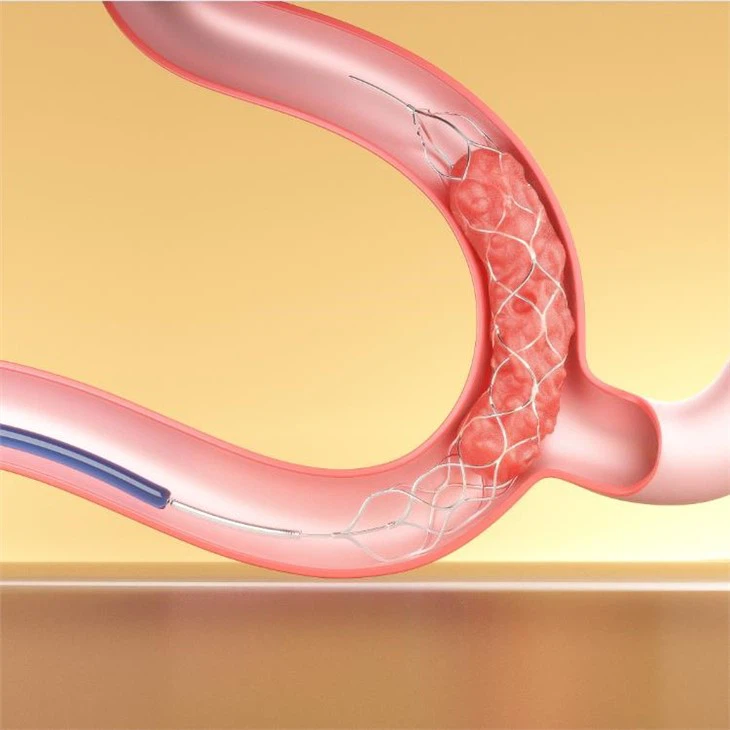
The Dredger endovascular clot retrieval is a mechanical thrombectomy devices that can be used to remove blood clots from cerebral arteries. It was slowly advanced it to the site of the clot in the cerebral vasculature. Once the stent reaches the clot site, the doctor can expand it, thus fixing the clot onto the stent. Then, the doctor can gently remove the stent and clot together, restoring blood flow and reducing stroke damage. These devices are designed to be inserted into the affected blood vessel via a catheter, where they engage with and remove the clot. The procedure is performed under imaging guidance, and the devices can be navigated through the complex vascular anatomy to reach the clot site.
DredgerTM endovascular clot retrieval a minimally invasive procedure that is used to clear blood clots from blocked arteries. The procedure involves the use of a small, flexible tube called a catheter, which is inserted into the blocked artery through a small incision in the skin. The lowest radial outward force is a key feature of endovascular clot retrieval. This means that the procedure does not exert excessive force on the walls of the blood vessels, which can cause damage or even rupture. The catheter used in this procedure is designed to be gentle on the blood vessels and to minimize the risk of complications. This is particularly important for stroke patients, who may already have weak or damaged blood vessels due to the stroke itself. Another important feature of endovascular clot retrieval is the furthest intimal integrity. This refers to the preservation of the inner lining of the blood vessels, known as the intima. The intima plays a critical role in maintaining the health and function of the blood vessels. Damage to the intima can lead to the formation of blood clots and other complications. With endovascular clot retrieval, the catheter is inserted into the blood vessel through a small incision, allowing the intima to remain intact.
Features &Advantages
1. The soft tip prevents damage to the inner wall of the blood vessel.
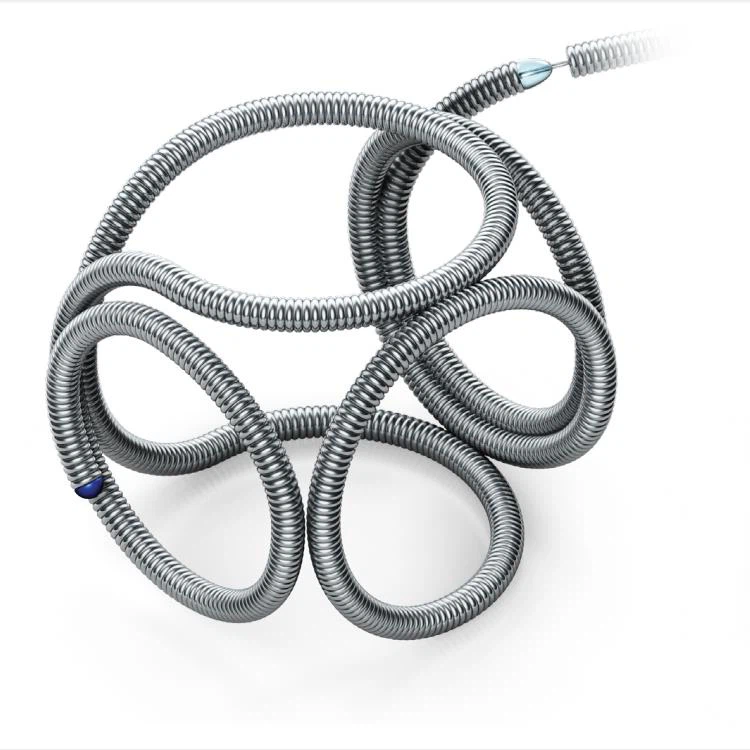
2. large push wire enhances manipulation of the catheter, allowing for greater precision and control during the procedure.
3. Comprehensive sizes meet a variety of different needs.
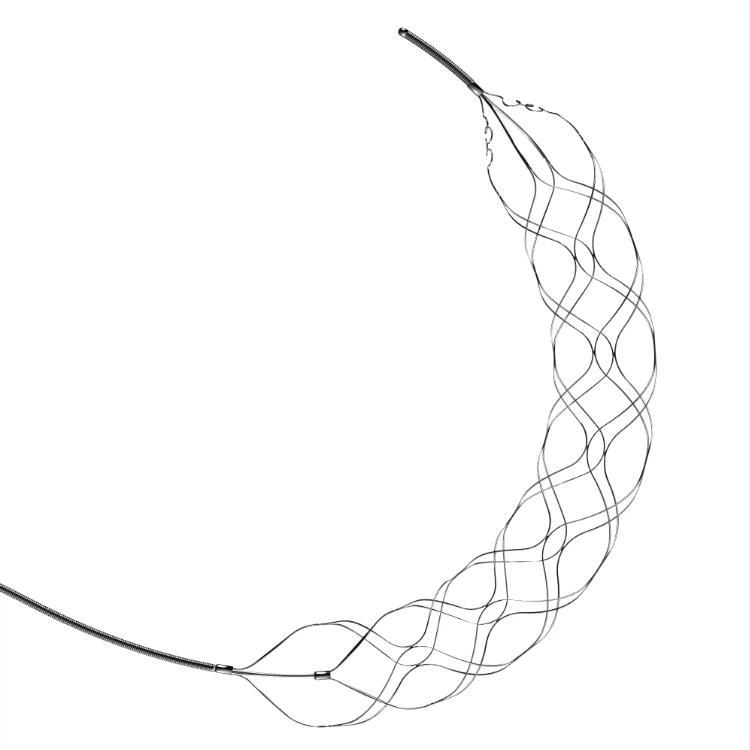
4. The front-end protective umbrella-type truck net design prevents small emboli from escaping to the far end.
5. The movable grid of the dual-layer stent realizes capturing, clamping and removal of thrombus.
6. Complete visible provides real-time visual feedback to assist clinicians during surgery.
7. The minimum radial outward force reduces vascular intima stimulation and damage.