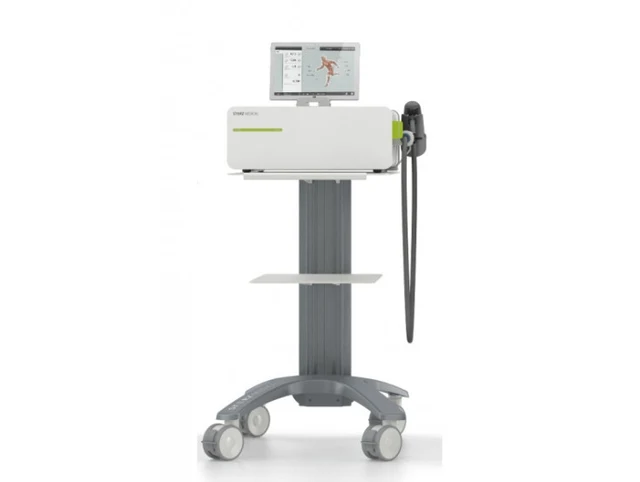
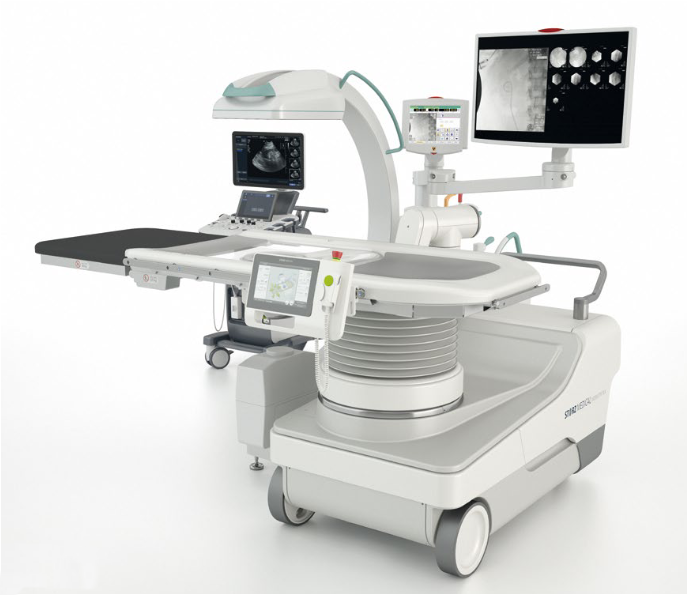
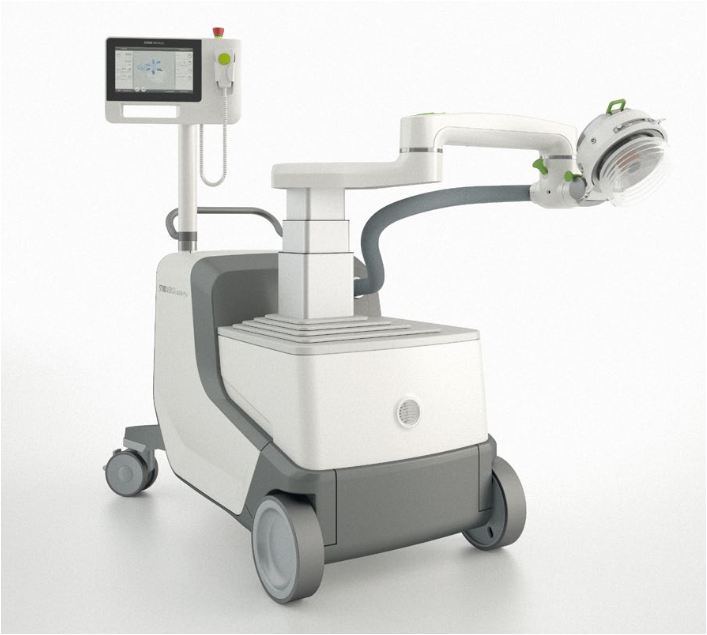
DUOLITH SD1 T-TOP »ultra« URO
Focused shock wave therapy (Li-ESWT) offers a non-invasive approach for treating these urological indications – ED, IPP, CPPS – as well as urogynaecological conditions like dyspareunia and vulvodynia
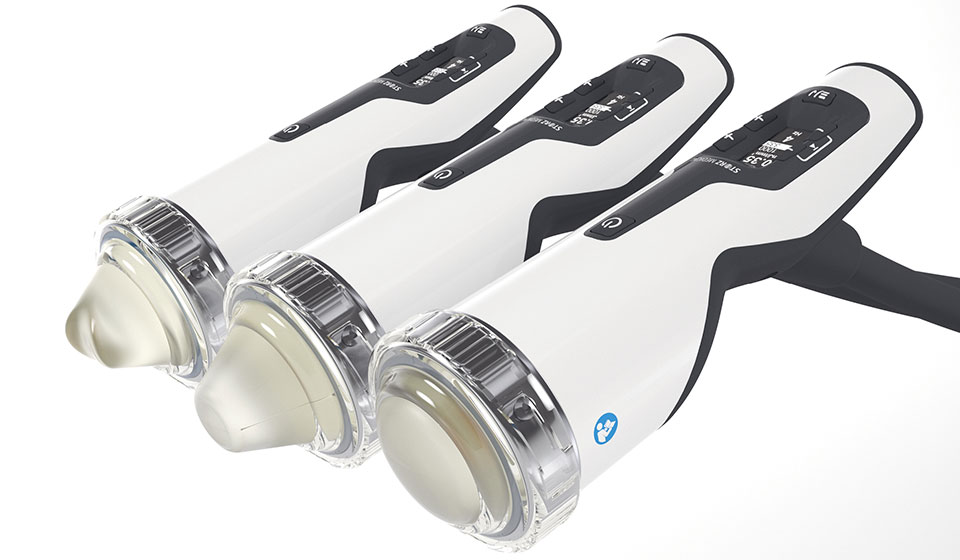
The design of the new generation of focused shock wave systems with the SEPIA® handpiece is impressive with its high-quality workmanship and optimised ergonomics. The particular flexibility of the handpiece cable ensures maximum user comfort during treatment, which is always carried out directly on the patient – an important criterion for everyday practice.
The SEPIA® handpiece makes treatments using focused shock waves simple and efficient. All the important control elements are integrated into the handpiece. The frequency and energy level are adjustable directly on the handpiece.
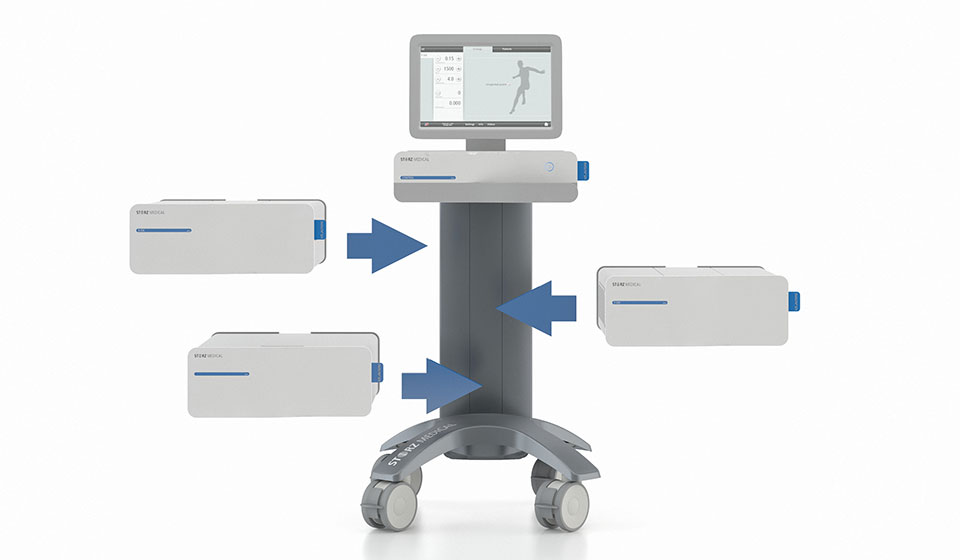
Advantages for users: The SEPIA® handpiece is compatible with all DUOLITH® SD1 »ultra« systems available. Users benefit from reduced service costs thanks to the simple coil replacement.
Highlights
• Effective and comfortable work directly on the patient
• All control elements integrated into the handpiece
• Reduced service costs thanks to simple coil replacement
• Depth of focal zone: 0 – 65 mm
• Penetration depth: Up to 125 mm
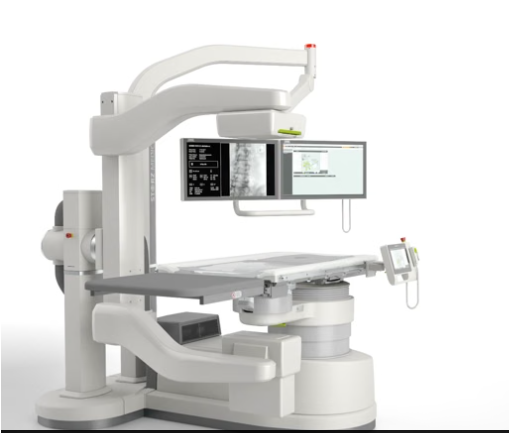
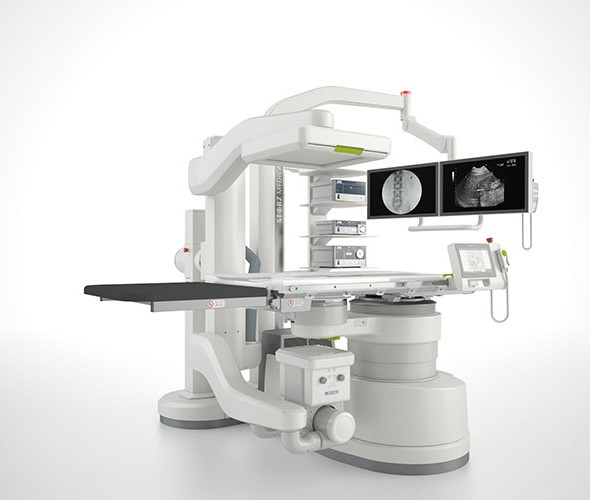
• Modular upgradeability to the DUOLITH® SD1 TOWER »ultra«
Touch screen – The ideal extension for the DUOLITH® SD1 T-TOP »ultra«
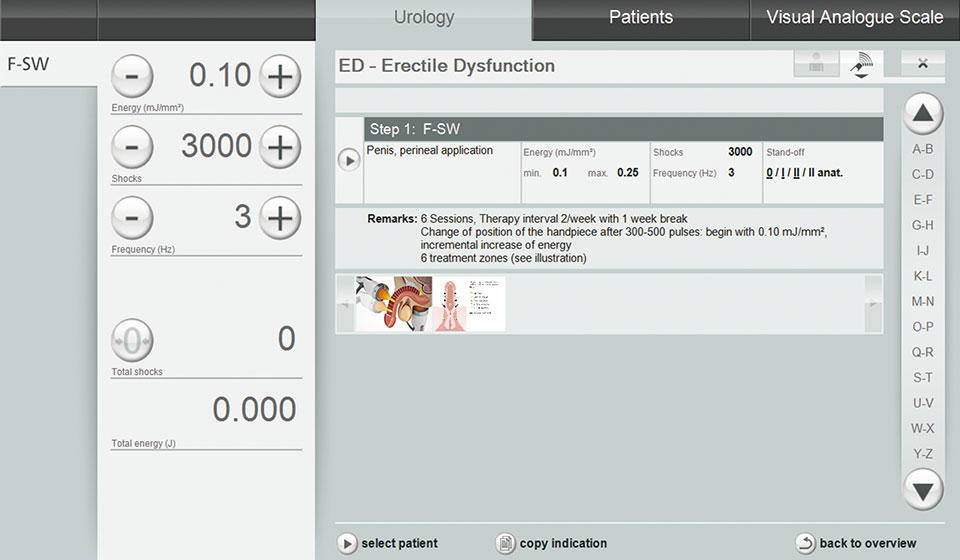
The optional 10" touch screen connects to the DUOLITH® SD1 »ultra« via a USB cable and extends the shock wave system with valuable features:
Besides the additional device control, it offers patient management as well as treatment parameters recommended by experienced users, which are supported with videos and images. These can be called up and applied.
Highlights
• 10" touch screen (optional)
• Patient management with treatment history
• Video and image-based treatment parameters
The DUOLITH® SD1 T-TOP »ultra« is a shock wave system for treating urogynaecological and urological indications. In the field of urogynaecology, this includes vulvodynia and dyspareunia, diseases associated with chronic pelvic pain syndrome (CPPS). In urology, this includes vascular erectile dysfunction (ED), induratio penis plastica (IPP) and chronic pelvic pain syndrome. Scientific studies have proven the effectiveness of focused shock waves in treating these conditions.1-7
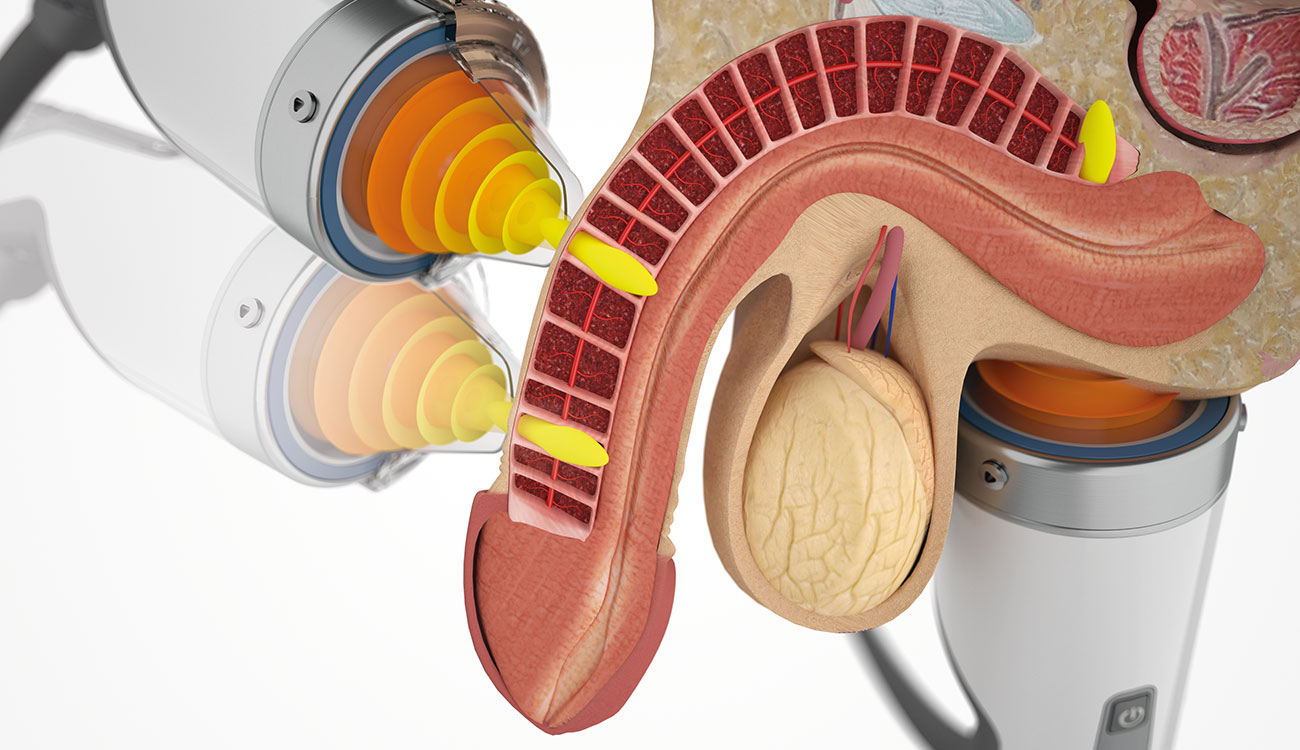
The effectiveness of the DUOLITH® SD1 T-TOP »ultra« is based on its individually adjustable, dynamic and optimally designed large energy range, as well as its selectable therapeutic focus depth. Deep areas can be treated with less effort, as they can be reached easily and with high accuracy through the optimal focus zone. Thanks to the ideal focus depth, it is sufficient to apply the shock waves from only one side of the penis in urological treatments. The anatomically shaped stand-off device ensures optimal adaptation to the anatomy of the penis during ED or IPP treatment.
Indications
Urogynaecology
• CPPS – chronic pelvic pain syndrome
- Vulvodynia
- Dyspareunia
Urology
• ED – erectile dysfunction
• IPP – induratio penis plastica (Peyronie’s disease)
• CPPS – chronic pelvic pain syndrome
Urogynaecological indications – Causes and therapy of chronic pelvic pain syndrome (CPPS)
Chronic pelvic pain syndrome in women is now recognised as a relatively common disease and includes various subgroups. Among these, vulvodynia is the most commonly occurring form, causing chronic pain or irritation in the vaginal area. Another subgroup is dyspareunia, whereby pain occurs in the genital area during or after sexual intercourse, which can partially or completely prevent vaginal penetration. CPPS and its associated symptoms significantly impact the quality of life of affected women and their partners.
CPPS can be triggered by pelvic infections, post-pelvic surgery, or by a variety of other factors. However, vulvodynia also often occurs in women as a functional disorder for which no clear cause can be identified. The standard treatment includes pain medication and physiotherapy.
Another non-invasive alternative is Extracorporeal Shock Wave Therapy (ESWT).6,7 It allows ongoing treatments, such as physiotherapy, to continue while offering a combined therapy approach.
ESWT induces both hyperstimulation of pain receptors, which blocks pain transmission, as well as modulation of pain memory. Both mechanisms can play a crucial role in treating CPPS. After ESWT, women report a significant reduction in pain in daily life and during sexual intercourse.
Urogynaecological indications – Treatment of vulvodynia and dyspareunia with shock waves
In shock wave therapy, CPPS patients receive a weekly perineal ESWT covering the entire vulva and perineal region. A session usually lasts about 15 minutes, and around four sessions are required on average, depending on the severity.
After ESWT, vulvodynia patients report considerable pain relief.6
Similarly, dyspareunia patients experience significant reduction in pain during sexual intercourse.7
In these two prospective, randomised, double-blind, placebo-controlled studies, 61 women with vulvodynia and dyspareunia were examined, respectively. The participants were divided into a treatment group and a placebo group. The treatment group received focused ESWT weekly over four weeks, targeting six regions in the vulva and perineum for vulvodynia and eight regions for dyspareunia. Stand-off device II was used for both indications.
The placebo group received a sham treatment without energy transmission. The results showed significant pain reductions in the treatment group, which continued in all follow-up examinations (1, 4 and 12 weeks after treatment).
Pain reduction in the treatment group consistently exceeded 30%, measured using the Visual Analogue Scale (VAS) and the Marinoff Dyspareunia Scale, with large effect sizes (Marinoff 0.825 and VAS 0.883). There were no significant differences between the groups before treatment, but statistically significant differences were observed after treatment. These results indicate that ESWT is an effective method for achieving long-term reduction of pain in vulvodynia and dyspareunia.